
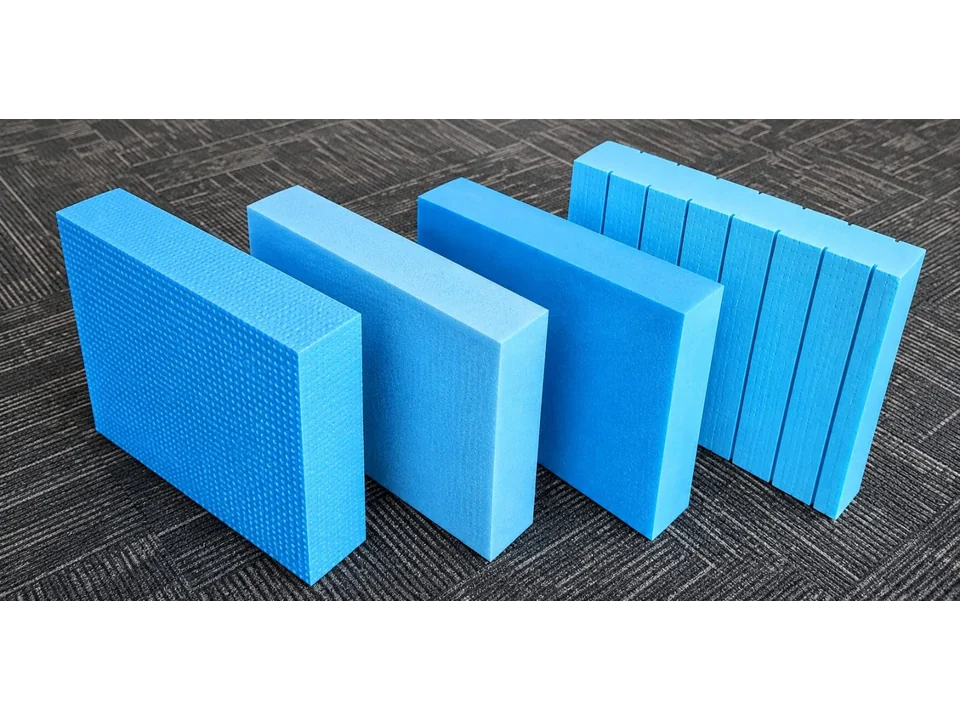
 HS 39211100
XPS / EPS Board
Extruded & expanded polystyrene
Lightweight rigid foam boards for duct insulation and wall panels, available in extruded (XPS) and expanded (EPS) grades.
Also known as: extruded polystyrene board, expanded polystyrene sheet, polystyrene foam board, insulation foam sheet
- Lightweight and cost-effective
- XPS offers very low water absorption vs EPS
- Wide range of thickness options
Technical data
| Board Size | 1200 mm x 600 mm (standard) |
|---|---|
| Thickness Options | 20 / 25 / 40 / 50 / 75 / 100 mm |
| Density | XPS: 28-45 kg/m³ / EPS: 12-25 kg/m³ |
| Temperature Range | -50°C to +75°C |
| Thermal Conductivity | XPS: 0.029-0.033 W/mK / EPS: 0.033-0.038 W/mK |
| Water Absorption | XPS very low (<0.3%), EPS low-moderate (2-4%) |
| Compressive Strength | XPS: 150-700 kPa / EPS: 60-200 kPa |
| Fire Rating | Class E / Class F (self-extinguishing grades available) |
| Standards | ASTM C578, EN 13164 (XPS) / EN 13163 (EPS) |
| Packing | Shrink-wrapped bundles |
Applications
Standards
Manufacturer test certificates and data sheets can be supplied with the order on request.
Customs
Export packing
Shrink-wrapped bundles. Loads are palletized or cartoned for ocean freight and can be consolidated with other products in one container.
Questions buyers ask
What is the difference between XPS and EPS board?
XPS is extruded polystyrene with a continuous closed-cell structure, while EPS is expanded polystyrene made from fused beads; XPS has much lower water absorption and higher strength. XPS absorbs less than 0.3% water against 2 to 4% for EPS, and its compressive strength is 150 to 700 kPa against 60 to 200 kPa. EPS is lighter and more economical where moisture and loads are low.
What is the maximum temperature for XPS / EPS insulation board?
XPS / EPS Board is rated from -50°C to +75°C, so it suits cold and ambient applications but not hot surfaces. Polystyrene softens and deforms above its rated temperature, which is the limiting factor. For surfaces hotter than +75°C, choose a product such as PIR Board, Glass Wool Roll & Blanket or a mineral wool product from this catalogue instead.
What thicknesses and densities are available for XPS and EPS boards?
XPS and EPS boards are supplied in a standard 1200 mm x 600 mm size, in 20, 25, 40, 50, 75 and 100 mm thicknesses. XPS density is 28 to 45 kg/m³ and EPS density is 12 to 25 kg/m³. Higher densities give higher compressive strength, so pick a denser grade where the board will carry load, and a lighter grade for wall panels and non-loaded duct insulation.
Should I choose XPS / EPS Board or PIR Board?
Choose PIR Board where you need lower conductivity, better fire behavior or temperatures above +75°C, and XPS / EPS Board where cost, light weight and moisture resistance matter more. PIR conductivity is 0.021 to 0.025 W/mK and it is rated up to +140°C, while XPS is 0.029 to 0.033 W/mK and EPS 0.033 to 0.038 W/mK, both rated to +75°C.
What is the fire rating of XPS and EPS insulation board?
XPS and EPS boards are classified Class E or Class F, and self-extinguishing grades are available. Polystyrene is a combustible thermoplastic, so in buildings it is normally protected by a covering layer rather than left exposed. If your project specifies a self-extinguishing grade or a particular fire classification, state it in your enquiry and we will confirm what can be supplied for your order.
How should XPS or EPS board be installed on ducts and wall panels?
XPS or EPS board should be fitted with tight joints, and on chilled ducts the joints must be sealed and a vapor barrier applied so moist air cannot reach the cold surface. Boards can be bonded with a polystyrene-compatible adhesive and joints taped with Aluminum Foil Tape. Solvent-based products can attack polystyrene, so check compatibility of any adhesive or sealant before use.
Which standards cover XPS and EPS insulation boards?
XPS and EPS boards are made to ASTM C578, the US specification for rigid cellular polystyrene insulation, with EN 13164 covering XPS and EN 13163 covering EPS in Europe. These standards define properties such as density, compressive strength, water absorption and thermal resistance by type. Tell us which standard and type your specification calls for when you request a quotation.
What is the customs tariff code for polystyrene insulation board?
Polystyrene insulation board, both XPS and EPS, is shipped from India under HS code 39211100, plates and sheets of cellular polymers of styrene. The six-digit heading 392111 is common to most countries, while national subheadings and import duties vary by destination. Confirm the final classification with your customs broker or importer of record.
How are XPS and EPS boards shipped and how many fit in a container?
XPS and EPS boards are packed in shrink-wrapped bundles, and because they are very light, a container is filled by volume long before its weight limit. For that reason they are often shipped in 40′HC containers or combined with denser goods such as insulation accessories in a mixed load. The quantity per container depends on thickness and grade and is confirmed with the quotation.
Export markets
We ship XPS / EPS Board to buyers worldwide. Country pages cover ports, standards and documents:
Complete the system.
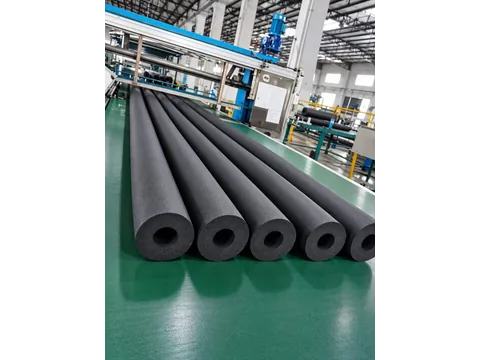
Nitrile Rubber Tube
Closed-cell elastomeric
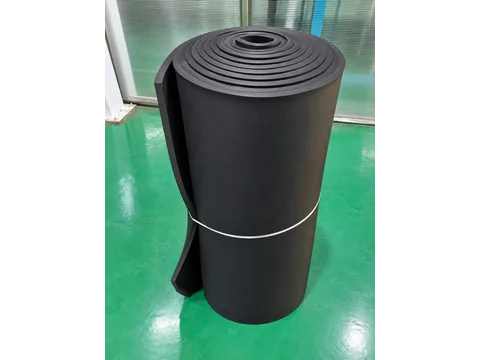
Nitrile Rubber Sheet & Roll
Plain or self-adhesive
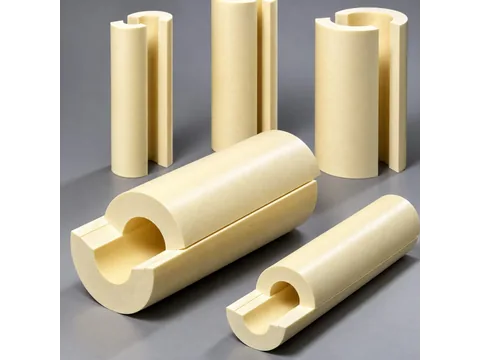
PUF Pipe Section & Board
Polyurethane foam, to −180°C
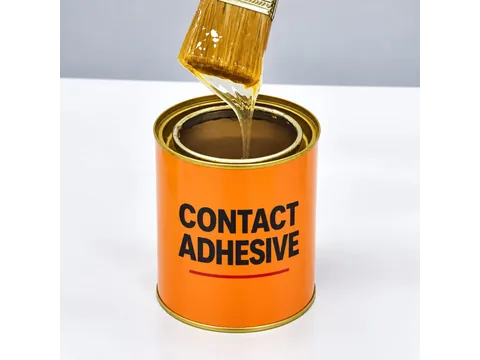
Contact Adhesive
For nitrile rubber insulation
Need XPS / EPS Board shipped?
Tell us the size, thickness, grade and quantity with your destination port. We reply with a priced export offer, packing details and documents.