
 HS 68069000
Aerogel Blanket
Ultra-thin, 0.013–0.021 W/mK
Premium ultra-thin insulation with the lowest thermal conductivity of any insulation material — usable across both extreme hot (up to 650°C) and cryogenic (-40°C) applications.
Also known as: aerogel insulation, silica aerogel blanket, thin high-performance insulation, cryogenic aerogel
- Lowest thermal conductivity in the industry (0.013-0.021 W/mK)
- 50-80% thinner than conventional insulation for same performance
- Flexible, conforms to irregular/curved surfaces
- Suitable for both hot and cryogenic applications
Technical data
| Type | Silica aerogel composite blanket (flexible, ultra-low conductivity) |
|---|---|
| Roll Size | 1 m width x 10 m / 25 m length |
| Thickness Options | 5 / 8 / 10 mm (same performance at lower thickness) |
| Density | 150 - 200 kg/m³ |
| Temperature Range | -40°C to +650°C (hot & cryogenic grades) |
| Thermal Conductivity | 0.013 - 0.021 W/mK (best-in-class) |
| Water Repellency | Hydrophobic, water absorption <5% |
| Compressibility | Flexible, conformable to irregular/curved surfaces |
| Space Saving | 50-80% thinner than conventional insulation |
| Fire Rating | Non-combustible, Class A1 |
| Standards | ASTM C1728, EN 14303 |
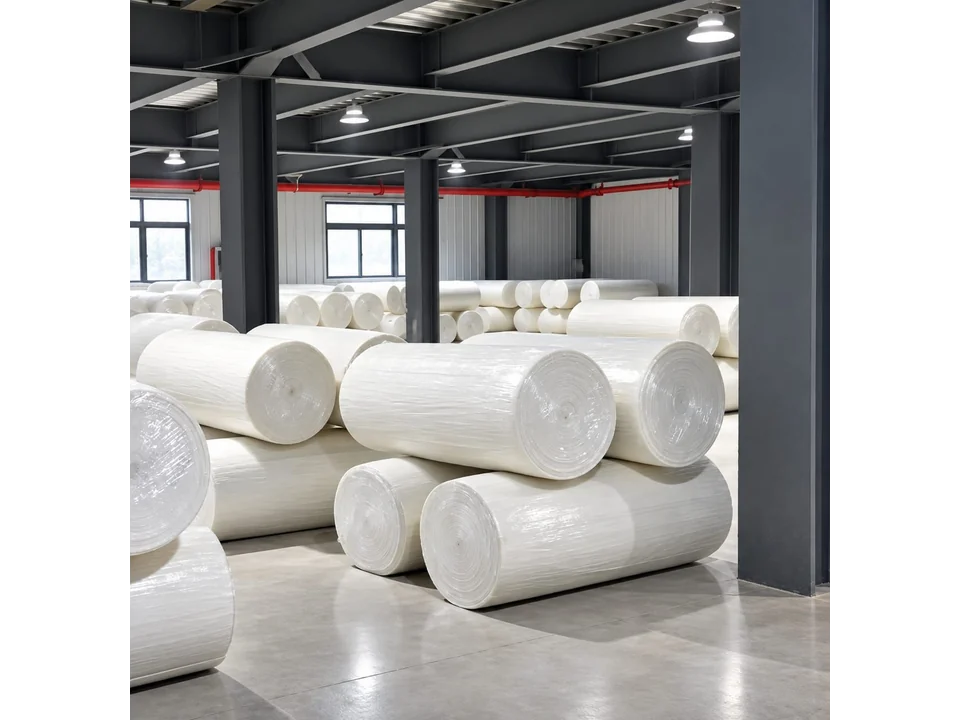
| Packing | Rolled, vacuum-sealed poly packaging |
Applications
Standards
Manufacturer test certificates and data sheets can be supplied with the order on request.
Customs
Export packing
Rolled, vacuum-sealed poly packaging. Loads are palletized or cartoned for ocean freight and can be consolidated with other products in one container.
Questions buyers ask
What is aerogel blanket insulation used for?
Aerogel blanket is a flexible silica aerogel composite insulation used where space is limited, such as closely spaced hot pipes, offshore modules and high-value process equipment. Its thermal conductivity of 0.013 to 0.021 W/mK allows insulation 50 to 80% thinner than conventional materials for similar performance, and it conforms to curved and irregular surfaces.
What is the temperature range of aerogel blanket?
Aerogel blanket covers -40°C to +650°C, with separate grades for hot and cold service. The grade must match the operating temperature, so state the minimum and maximum line temperature in your enquiry. On cold service the blanket needs a sealed vapor barrier, and on hot service it is normally finished with metal cladding.
What thickness and roll sizes does aerogel blanket come in?
Aerogel blanket is supplied in 5, 8 and 10 mm thickness, in rolls 1 m wide and 10 m or 25 m long, with a density of 150 to 200 kg/m³. Greater total thickness is built up in several layers with staggered joints. Use the heat-loss calculator on this site to estimate the total thickness and number of layers for a line.
Aerogel blanket vs rockwool pipe section: which should I use?
Choose Aerogel Blanket when available space, pipe spacing or weight limits the insulation thickness, and Rockwool Pipe Section where there is room for conventional thickness and material cost matters more. Aerogel reaches similar thermal performance at a fraction of the thickness, which suits retrofits, congested pipe racks and offshore areas, but it costs more per square meter.
Does aerogel blanket absorb water?
No, aerogel blanket is hydrophobic, with water absorption below 5%. This helps it keep its insulating value in humid or wet conditions and lowers the risk of corrosion under insulation compared with absorbent materials. Outdoor hot lines should still be clad, and cold lines sealed with a vapor barrier. The blanket is non-combustible, Class A1.
How is aerogel blanket installed on pipes?
Aerogel blanket is cut to size, wrapped around the pipe and held with Insulation Band & Buckles or wire, layer by layer with staggered joints, then finished with Aluminum Cladding Sheet & Coil. Cutting releases fine dust, so installers should cut with a sharp knife or shears and wear gloves, eye protection and a dust mask.
What standards does aerogel blanket meet?
The standards listed for this aerogel blanket are ASTM C1728, the specification for flexible aerogel insulation, and EN 14303, a European product standard for insulation used on building equipment and industrial installations. If your project needs specific test reports or certificates, tell us in your enquiry and we will confirm what is available for your order.
Which customs tariff code applies to aerogel blanket?
Aerogel blanket is declared under HS code 68069000, which covers other heat-insulating mineral materials. The code appears on the commercial invoice and packing list for each shipment. Import duty and any national sub-heading depend on the destination country, so importers should confirm the classification with their customs broker.
How is aerogel blanket packed for export?
Aerogel blanket rolls are vacuum-sealed in poly packaging, which reduces volume and keeps the material clean and dry during sea freight. Rolls ship FCL or LCL from Nhava Sheva or Mumbai and can be combined in one container with cladding, bands and screws. For a quotation, give the total area or number of rolls, the thickness and the grade.
Export markets
We ship Aerogel Blanket to buyers worldwide. Country pages cover ports, standards and documents:
Complete the system.
Need Aerogel Blanket shipped?
Tell us the size, thickness, grade and quantity with your destination port. We reply with a priced export offer, packing details and documents.